 Jal Prayogshala
Jal Prayogshala
Jal Prayogshala
Rapid & Simple Bacteriological Screening of Water
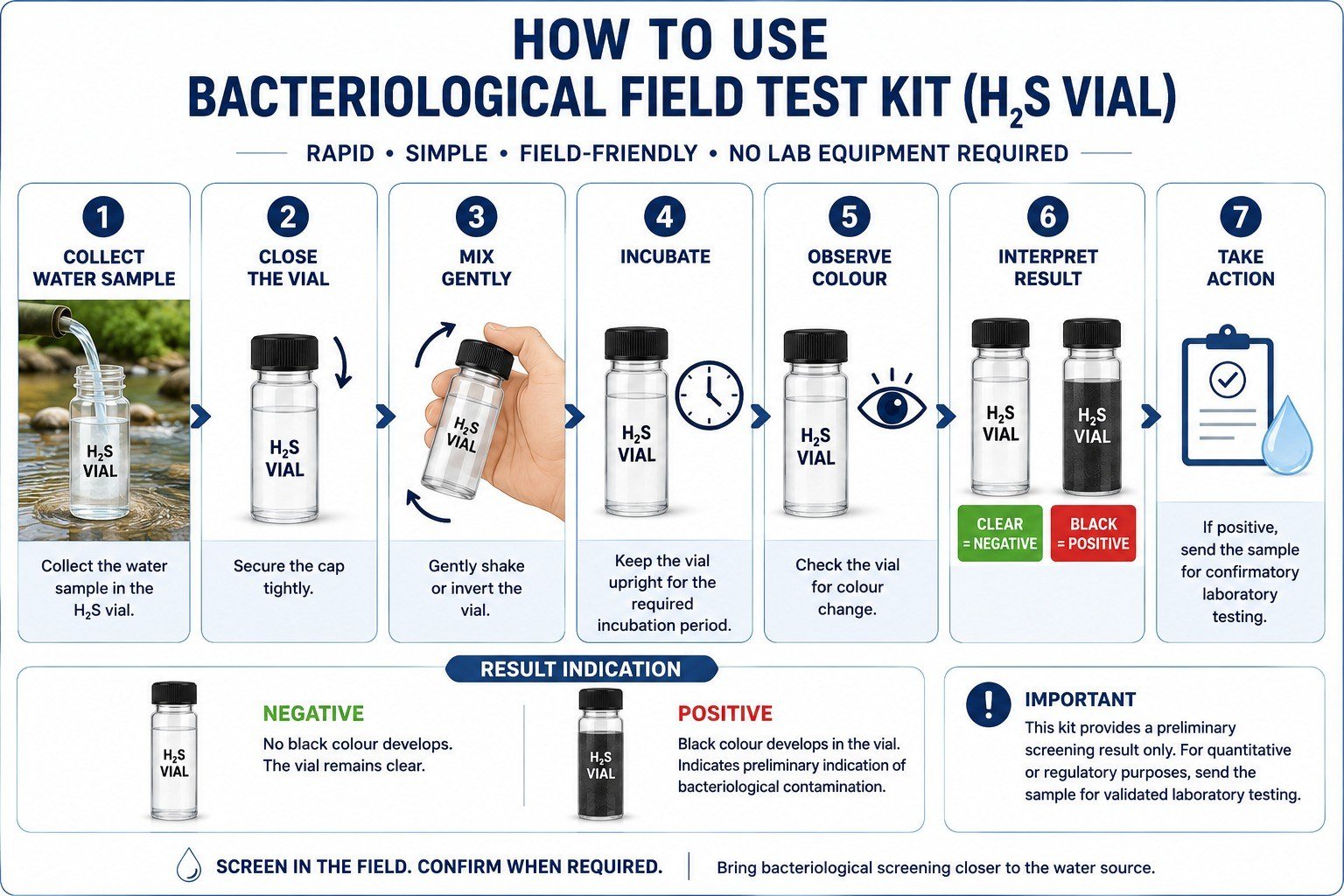
Inquire NowThe Bacteriological Field Test Kit (H2S Vial) is a compact, field-friendly water-testing solution for preliminary screening of bacteriological contamination in water. It gives an easy-to-interpret visual result at the point of testing, without needing laboratory equipment or electricity — suited for drinking water surveillance, rural monitoring, field surveys, community water-source assessment, and routine bacteriological screening programmes.
Enables quick, preliminary screening of drinking water sources for bacteriological contamination at the point of testing.
Screens water from wells, borewells, and community sources across villages where lab access is limited.
Used by water-quality field staff, government monitoring teams, and NGOs for on-the-spot assessment before samples go for lab confirmation.
Scales screening from water source to village to block to district level, referring positive samples for confirmatory lab testing.
Suitable for educational institutions and emergency/disaster situations needing quick initial water safety checks.
| Test type | Preliminary bacteriological screening (H2S vial method) |
| Test format | Sterilized glass vial with impregnated medium paper |
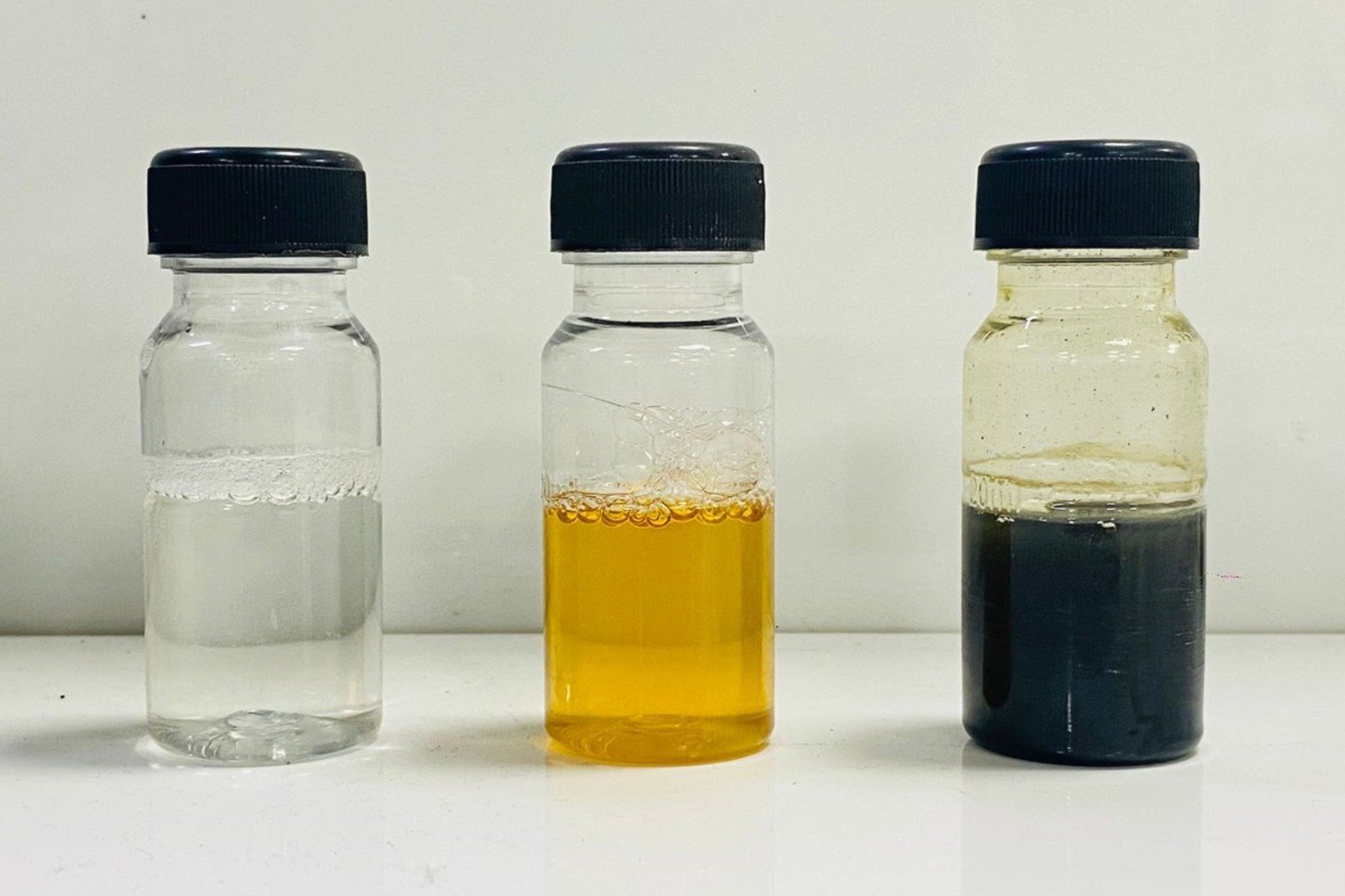
| Result indication | Colour change (clear to black) on positive contamination |
| Pack sizes available | 10, 50, and 200 vials |
| Equipment required | None — no instruments or electricity needed |
| Technology base | DRDO technology, per Jal Jeevan Mission requirements |
| Training required | None — simple enough for layman use |
| Kit format | Handy carry case for field use |